
How Emergency Tree Service in St. Charles Protects Property
Severe weather in St. Charles can strike with little warning, leaving behind fallen branches, damaged trees, and dangerous debris. When storms hit, having access to a reliable
emergency tree service is essential for protecting your property and ensuring the safety of your family. Strong winds, heavy rain, lightning, and even ice storms can weaken trees or uproot them entirely, creating immediate hazards that require professional attention. Storm-damaged trees are not just an inconvenience; they can become serious threats. From fallen limbs blocking driveways to large trees leaning dangerously close to your home, these situations demand quick and efficient solutions. Ignoring storm damage can lead to further risks, such as structural damage to your roof, power outages, or even personal injury. Understanding the types of damage that storms can inflict, such as cracked branches, split trunks, and root instability, helps homeowners prioritize emergency response. That’s where a professional emergency tree service becomes invaluable, providing rapid assessment, safe removal, and preventive measures to minimize long-term property damage.
How an Emergency Tree Service in St. Charles Protects Your Property
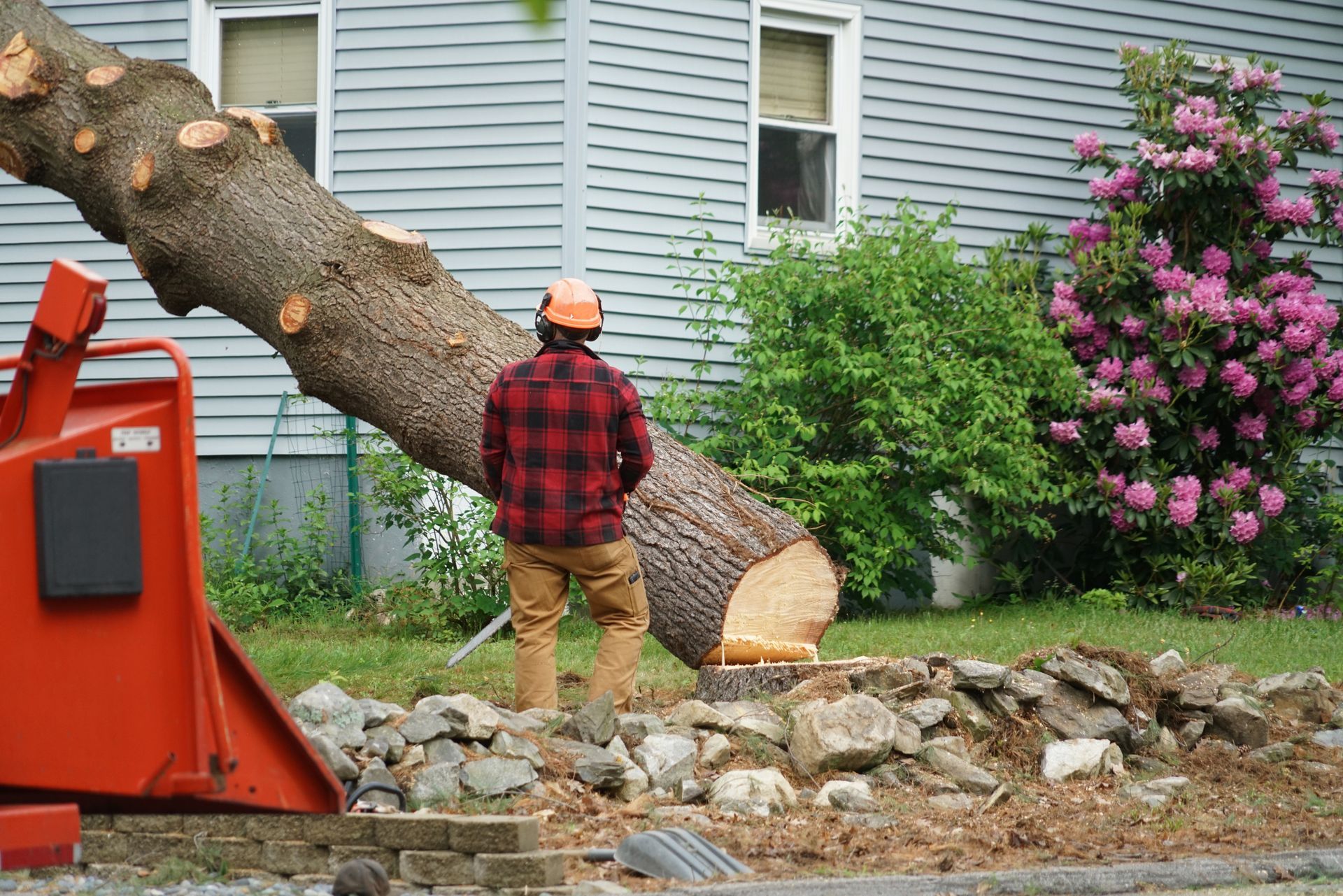
A professional tree service does more than remove storm-damaged trees; they play a critical role in preventing further property damage by addressing hazards quickly and efficiently. Rapid response is essential after severe weather to minimize risks to your home, vehicles, and surrounding landscape.
Here’s how a trusted service helps protect your property:
- Immediate hazard removal: Fallen trees or large branches can block driveways, damage vehicles, or create dangerous obstacles. Emergency tree experts use specialized equipment to safely remove these hazards before they cause more harm.
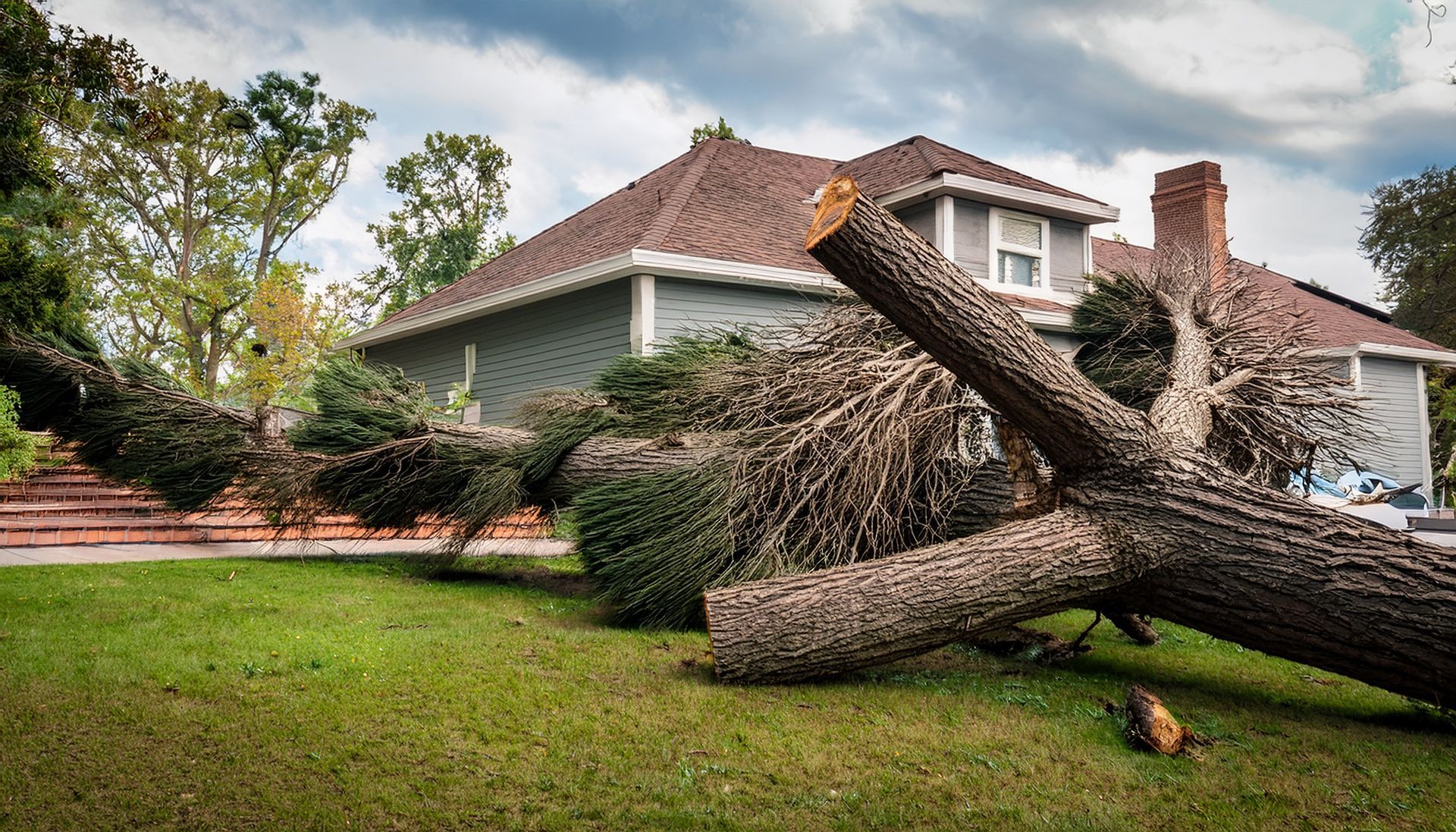
- Preventing structural damage: Trees weakened by storms or high winds may lean toward buildings or other structures. Professionals evaluate the risk and either stabilize or remove the tree to prevent damage to roofs, siding, windows, and foundations.
- Reducing risk of secondary damage: Even partially broken branches left unattended can fall later, potentially harming fences, power lines, outdoor furniture, or vehicles. Timely removal prevents these secondary accidents.
- Assessing tree health and stability: Emergency crews don’t just remove damaged trees; they examine nearby trees for hidden issues such as cracked trunks, root instability, or disease. Identifying vulnerable trees early can prevent future emergencies.
- Safe debris cleanup: After a storm, scattered branches and debris can create trip hazards and block access points. Professional teams clear the area efficiently while taking precautions to avoid further damage to landscaping, lawns, or hardscapes.
- Preventing environmental hazards: Damaged trees can also pose risks to the surrounding ecosystem, such as falling into water features or damaging drainage systems. Emergency services ensure these hazards are mitigated quickly and safely.
By taking these proactive measures, an emergency tree service not only resolves immediate threats but also safeguards your property from long-term damage, helping homeowners avoid costly repairs and maintain a secure environment after storms.
How Storms Damage Trees and Create Hazards
Severe weather events in St. Charles can have a major impact on trees, often turning them into serious hazards for your property. Strong winds, heavy rain, ice accumulation, and lightning can compromise a tree’s structure, leaving it unstable and dangerous. A reliable tree service can assess these risks and provide immediate solutions to protect your home, family, and surrounding landscape. Storm-damaged trees are not only unsightly but can also lead to costly repairs if not addressed promptly.
Common ways storms damage trees and create hazards include:
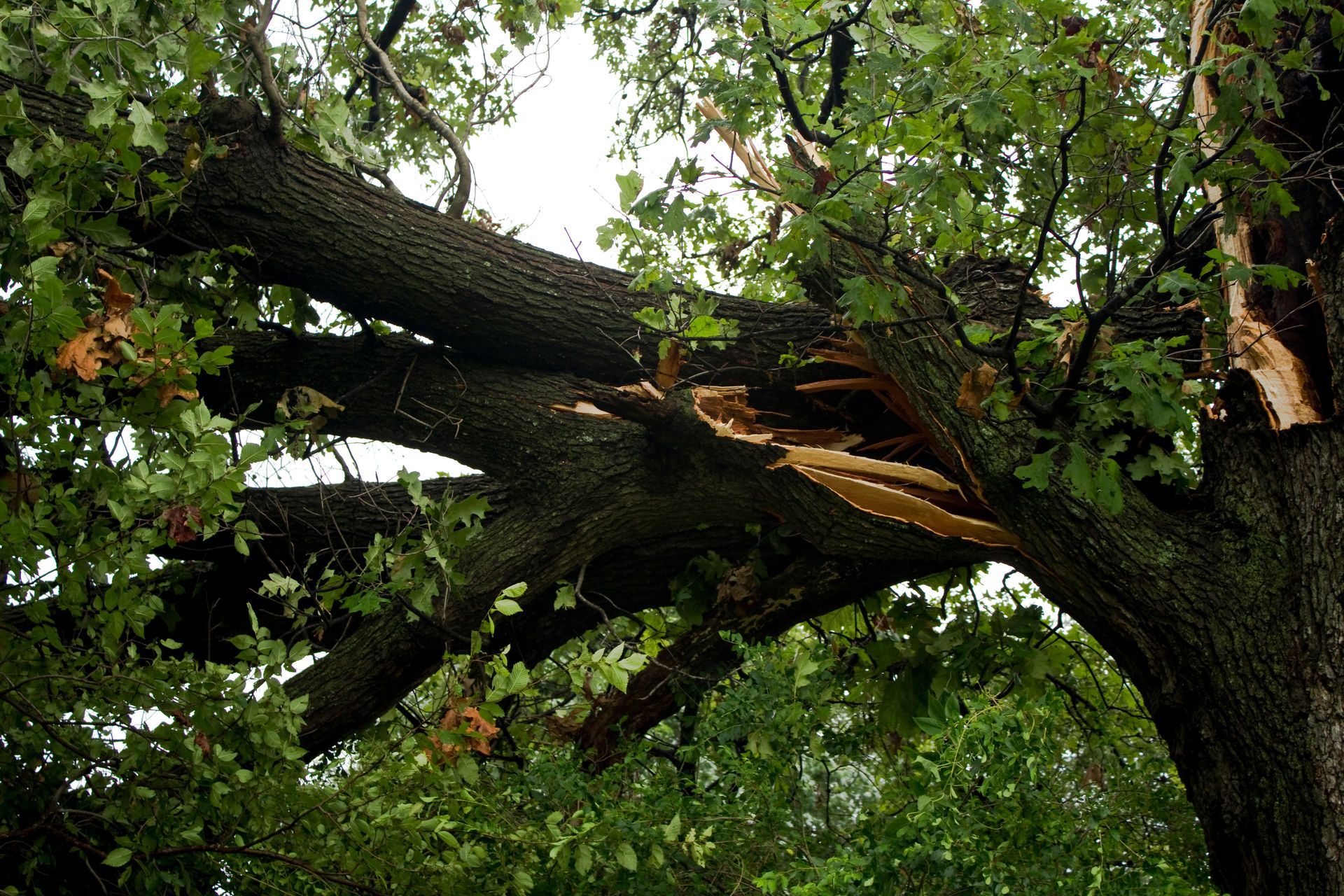
- Broken or split branches: High winds, heavy rain, or ice storms can snap branches, leaving them hanging precariously. These weakened limbs can fall unexpectedly, causing damage to rooftops, fences, vehicles, or outdoor living spaces, and can even pose serious safety risks to people and pets.
- Uprooted trees: Saturated soil combined with strong gusts of wind can uproot even large, healthy trees. Uprooted trees can fall across driveways, patios, or homes, crushing structures, blocking access, and creating immediate hazards that must be cleared safely.
- Cracked or weakened trunks: Even if a tree remains standing after a storm, its trunk may have suffered internal splits or cracks that are not immediately visible. These hidden weaknesses make trees more likely to collapse in future storms or under their own weight, threatening nearby structures and people.
- Falling debris: Smaller branches, twigs, and even bark can break off during a storm and fall to the ground. While they may seem minor, accumulated debris can damage vehicles, clog drainage systems, or cause slips and falls on walkways and driveways.
- Interference with utilities: Trees and limbs that fall on electrical wires or other utility lines can create fire hazards, interrupt power, and increase the risk of property damage or injury. Immediate attention is crucial to prevent accidents.
- Hidden damage and disease: Storm stress can make trees more susceptible to disease or pest infestations. Cracks in the trunk or damaged root systems may go unnoticed initially, but they can lead to further deterioration and eventual collapse if not properly addressed.
Understanding these potential hazards underscores the importance of acting quickly after a storm. A professional tree service provides expert assessment and removal, reducing the risk of further property damage, safeguarding your family, and maintaining the health and stability of your landscape. Quick action not only protects your home but also helps preserve the long-term value of your property and the surrounding environment.
Don’t wait until a fallen tree causes costly damage or creates a safety hazard. For fast, professional, and reliable help, contact us for expert emergency tree service in St. Charles.